

Table of Contents
- Why Coffee Filter Choice Matters for Taste
- Metal Coffee Filter vs Paper: Extraction and Clarity
- Cloth Coffee Filter Taste: Body, Oils, and Flavor Profile
- Reusable Coffee Filters: Long-Term Performance and Care
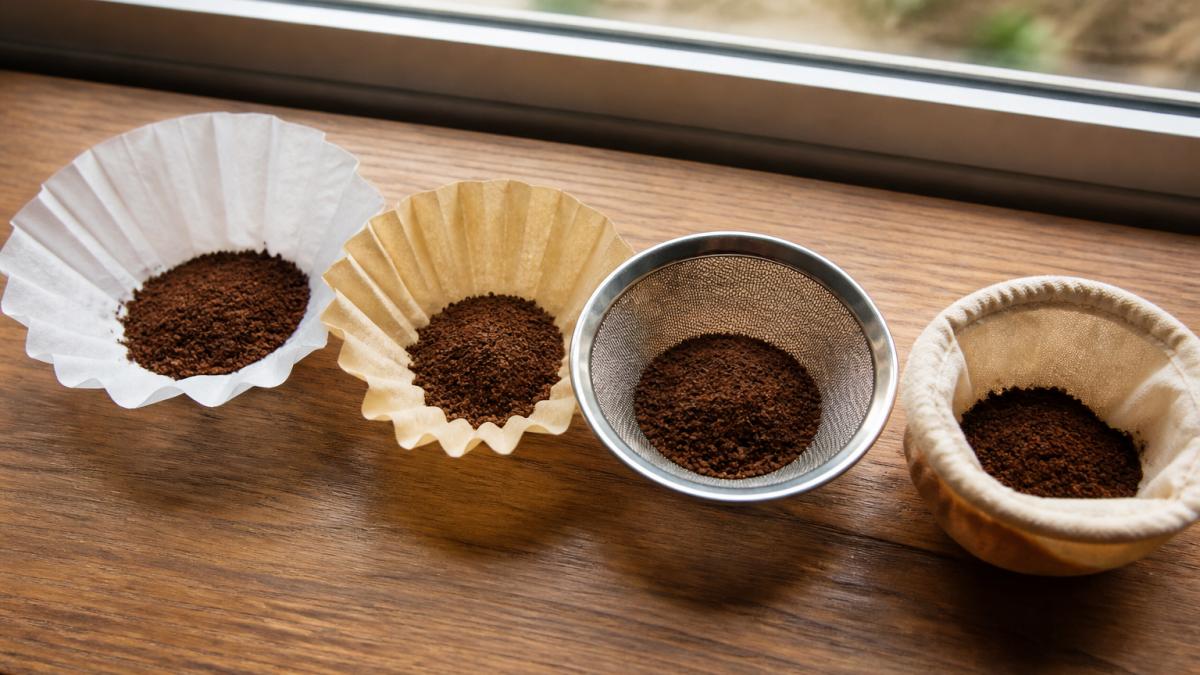
- Filter Material Comparison: What Each Type Delivers
- Matching Filters to Your Brewing Method
- Common Mistakes When Switching Filter Types
- Frequently Asked Questions
Last Updated: October 10, 2026
Why Coffee Filter Choice Matters for Taste
The filter you choose shapes everything that ends up in your cup. It determines how much oil, sediment, and fine particles make it through to your brew. It affects extraction speed, the body of your coffee, and ultimately whether you get a clean, bright cup or a rich, full-bodied one.
Most coffee drinkers never think about this. They grab whatever came with their brewer and call it done. But once you understand how coffee filter alternatives work, you realize the filter is as important to your final cup as the beans themselves.
Switching filter types is one of the fastest ways to transform your daily ritual without buying new equipment or changing your beans. The same coffee tastes noticeably different depending on whether it passes through paper, metal, cloth, or something in between.
Metal Coffee Filter vs Paper: Extraction and Clarity
A metal coffee filter and a paper one deliver fundamentally different cups from the same grounds.
Paper filters trap oils and fine particles. They create a clean, bright cup with clarity that highlights the bean's origin characteristics. The downside: you lose some of the coffee's body and complexity. Paper filters remove so much that your final cup can taste thin if you're not careful with grind size and brew time.
Metal filters let oils pass through. Those oils carry flavor compounds and create a fuller mouthfeel. Your cup tastes richer, more textured. The trade-off is cloudiness. Metal filters allow fine sediment into your cup, which some people enjoy and others find gritty.
The practical difference comes down to what you're trying to taste. If you want to experience the origin of a single-origin bean, the floral notes, the brightness, the acidity, paper works better. If you want a fuller, more indulgent cup that feels heavier on your palate, metal is your choice.
Flow rate also differs. Paper filters slow extraction because water has to push through the paper itself. Metal filters let water flow faster, which means shorter brew times. This matters if you're using a pour-over or French press where you control the timing yourself.
Cloth Coffee Filter Taste: Body, Oils, and Flavor Profile
Cloth filters split the difference between paper and metal, but they're not a simple compromise.
A cloth filter, typically made from organic cotton or hemp, allows some oils through while trapping more sediment than metal. Your cup has more body than paper would give you, but more clarity than metal. The flavor profile lands somewhere in the middle, with richer mouthfeel than paper but without the grittiness metal can leave behind.
The real advantage of cloth is reusability and environmental impact. You rinse and reuse the same filter hundreds of times. Over a year, you eliminate hundreds of paper filters from the waste stream.
The real disadvantage is maintenance. Cloth filters trap oils and coffee residue. If you don't rinse them thoroughly after each use, that buildup affects the next brew. You need to store them wet (in the fridge, ideally) to keep them from drying out and cracking. Some people soak them weekly or boil them monthly to deep-clean. It's extra work.
Cloth also has a lifespan. After 6-12 months of regular use, the fibers break down. The filter becomes less effective at trapping sediment, and you'll notice more silt in your cup. You'll eventually need to replace it, which means it's not truly zero-waste, just lower-waste than paper.
Reusable Coffee Filters: Long-Term Performance and Care
Reusable filters, whether metal or cloth, save money and reduce waste, but only if you maintain them properly.
A metal mesh filter costs $10-25 upfront and lasts years with minimal care. Rinse it under hot water after each brew, dry it, and store it. That's it. Metal doesn't degrade the way cloth does. It won't crack or lose effectiveness. The same filter performs the same way in year one and year five.
Cloth filters cost $8-15 and require more attention. They need to be rinsed immediately after use, stored wet, and cleaned regularly to prevent mold and buildup. If you let them dry out between uses, they'll crack. If you don't rinse thoroughly, oils accumulate and taint future brews. Done right, they last 6-12 months.
The cost math favors reusable filters if you brew daily. Paper filters cost roughly $0.10-0.20 per use. Over a year of daily brewing, that's $36-73 in filters. A metal filter pays for itself in 50-150 brews. A cloth filter does the same in 40-100 brews.
But there's a hidden cost: replacement. Cloth filters need replacing every year. Metal filters last 3-5 years minimum, often longer. If you factor in replacement costs, metal becomes the cheaper long-term choice for most people.
Filter Material Comparison: What Each Type Delivers
| Filter Type | Clarity | Body | Sediment | Oils | Maintenance | Lifespan | Cost/Year |
|---|---|---|---|---|---|---|---|
| Paper | High | Low | Minimal | Removed | Minimal | Single-use | $36-73 |
| Unbleached Paper | High | Low | Minimal | Removed | Minimal | Single-use | $40-75 |
| Metal Mesh | Low | High | Moderate | Present | Rinse only | 3-5 years | $2-4 |
| Cloth (Cotton/Hemp) | Medium | Medium-High | Low | Partial | Rinse, soak, store wet | 6-12 months | $8-12 |
Unbleached Paper: A Middle Ground
Unbleached paper filters are processed differently than standard white paper. They skip the bleaching step, which means they retain a light brown color and contain fewer chemical residues.
The taste difference is subtle but real. Some coffee enthusiasts report that unbleached paper imparts less papery flavor than bleached filters. Whether that's placebo or chemistry, many people notice a cleaner taste with unbleached. The filters also feel more aligned with sustainable sourcing if that matters to you.
The downside: unbleached filters cost slightly more than bleached ones. They're also harder to find. Most grocery stores stock only bleached. You'll need to order online or visit a specialty coffee shop.
Performance-wise, unbleached and bleached paper filters are nearly identical. Both trap oils and sediment equally. Both create clean, bright cups. If you're already using paper, switching to unbleached is a low-risk way to experiment with filter choice without committing to a reusable option.
Mesh Metal Filters: Full-Bodied Results
Metal mesh filters come in various gauges. Finer mesh traps more sediment. Coarser mesh lets more through.
A standard metal filter (typically stainless steel) creates a noticeably fuller cup than paper. You'll taste more of the coffee's body and sweetness. The oils that paper removes are present in the cup, which many people prefer. The trade-off is sediment. You might see fine particles at the bottom of your cup, which some drinkers don't mind and others find off-putting.
Metal filters work well with medium and medium-coarse grinds. If your grind is too fine, sediment becomes excessive. If it's too coarse, the brew tastes weak because water passes through too quickly.
Durability is a strength. A metal filter doesn't wear out. It won't crack, fray, or lose effectiveness. If you're the type who forgets to replace things, metal is forgiving. You can use the same filter for years without thinking about replacement.
Organic Cotton and Hemp: Sustainable Richness
Organic cotton and hemp filters are the eco-conscious choice. They're biodegradable, renewable, and often sourced from certified sustainable farms.
The brewing experience is closer to cloth than metal. You get more body than paper, more clarity than metal. Oils pass through partially, creating a richer cup without excessive sediment. The flavor profile is well-balanced, not as bright as paper, not as heavy as metal.
The commitment is real, though. These filters require the most maintenance of any option. You need to rinse them immediately after use, store them wet (preferably in the refrigerator), and clean them weekly or monthly to prevent mold. You'll replace them every 6-12 months depending on how often you brew.
If sustainability is your priority and you're willing to invest in filter care, organic cotton and hemp are worth it. The environmental impact of a cloth filter used 300 times per year for a year is dramatically lower than 300 paper filters in the landfill.
Matching Filters to Your Brewing Method
Not every filter works with every brewer.
Pour-over cones and flat-bottom drippers typically use paper or unbleached filters. Metal mesh filters are less common for pour-overs because they clog more easily with fine sediment. Cloth filters work, but they're fussy, you need to pre-wet them to remove air pockets, which adds a step.
French press uses a metal mesh filter built into the plunger. You can't swap it out. This is why French press coffee always has more body and sediment than drip methods. If you want a cleaner cup from a French press, you'd need to pour through a separate paper filter after pressing, which defeats the purpose.
AeroPress works with paper, metal, or cloth filters. Paper gives you clarity. Metal or cloth gives you body. The AeroPress is forgiving enough that switching filters is easy, you just swap the filter and adjust your grind slightly.
Moka pots and stovetop brewers use a built-in metal filter basket. You can't change it. Your cup will always have some sediment and oils.
Espresso machines use portafilter baskets with micro-perforations, not removable filters. Filter choice doesn't apply here.
The key insight: if your brewer came with a specific filter type, that's usually the best match for that brewer's design. Switching is possible but often requires adjusting grind size and brew time to compensate.
Common Mistakes When Switching Filter Types
People often switch filters and blame the filter when the real problem is technique.
The most common mistake is using the same grind size with a different filter. Paper filters require a medium grind. Metal filters work better with medium-coarse.
Another mistake is not pre-wetting cloth or metal filters. A dry filter traps air, which creates uneven water flow during brewing. Pre-wet your filter with hot water before adding grounds. This removes air pockets and ensures even extraction.
People also forget that cloth filters need rinsing immediately after use. If you let a cloth filter dry with coffee residue stuck to it, the next brew will taste off.
A less obvious mistake is over-extracting with paper filters. Because paper removes oils, some people assume they can brew longer without bitterness. Not true.
Finally, don't assume one filter type is universally "better." Better depends on your taste preference, your brewer, and how much maintenance you're willing to do. Paper is best for clarity. Metal is best for body.
Exploring coffee filter alternatives is one of the easiest variables to control in your brewing process. Join our newsletter to explore how filter choice interacts with single-origin beans and roast profiles as we launch.
Frequently Asked Questions
What can I use instead of a paper coffee filter?
Metal mesh filters, cloth filters made from organic cotton or hemp, and unbleached paper filters are the most practical alternatives. Metal mesh allows coffee oils to pass through for a fuller body, while cloth filters retain oils but trap fine sediment. Unbleached paper offers a cleaner cup than standard bleached filters without the environmental footprint of disposable options. Choose based on whether you prefer clarity or richness in your final cup.
Do metal coffee filters make coffee taste better?
Metal filters don't make coffee taste "better", they make it taste different. A metal mesh filter preserves coffee oils and fine particles, producing a heavier body and more intense flavor. This appeals to those who enjoy a robust, full-mouthed cup. Standard paper filters remove oils, delivering a cleaner, brighter taste. Better depends on your preference: choose metal if you want richness, paper if you prefer clarity.
Are reusable coffee filters better than paper filters?
Reusable filters excel in cost and environmental impact over time but require consistent maintenance. Metal and cloth reusables deliver different flavor profiles than paper, metal produces a fuller body, cloth balances clarity with some richness. Paper filters are convenient and offer consistent results with minimal upkeep. "Better" depends on whether you prioritize taste preference, long-term cost, or convenience. Most enthusiasts keep multiple filter types on hand for different brewing moods.
How do I prepare a new cloth or metal filter before first use?
Rinse new cloth and metal filters thoroughly with hot water to remove manufacturing residue and loose fibers. For cloth filters, soak in hot water for 5-10 minutes, then rinse until water runs clear. Before each brew, pre-wet your filter with hot water to expand the material and preheat your brewer, this ensures even extraction and prevents grassy or off-flavors. Store cloth filters in the refrigerator between uses to prevent mold and odor buildup.