

Table of Contents
- What Makes Specialty Coffee Worth the Investment
- Best Affordable Coffee Beans: Origins and Roast Profiles
- Specialty Coffee Beans for Home Brewing: Choosing the Right Bean
- Coffee Bean Freshness and Storage: Protecting Quality After Purchase
- Cost Per Cup: Making Specialty Coffee Affordable
- Sourcing and Ethical Practices: What Transparency Means
- Building Your Daily Brewing Routine
- Frequently Asked Questions
Last Updated: October 11, 2026
What Makes Specialty Coffee Worth the Investment
Specialty coffee has shifted from luxury to necessity for many home brewers. The difference between mass-market beans and specialty-grade coffee isn't subtle, it's the gap between a flat, forgettable cup and one that reveals genuine complexity.
Affordable specialty coffee beans deliver the same careful sourcing, intentional roasting, and attention to freshness as premium brands. The key is understanding where to look and what signals quality. Single-origin beans from established coffee-producing regions, Ethiopia, Colombia, Peru, Brazil, offer distinctive flavor profiles at accessible prices.

The real advantage of specialty coffee is consistency. When you know your beans' origin, altitude, processing method, and roast date, you can adjust your brewing approach to extract exactly what those beans offer. A light roast from Ethiopia behaves differently than a dark roast from Brazil.
Best Affordable Coffee Beans: Origins and Roast Profiles
Single-origin specialty coffee beans tell a story through their flavor. The altitude where they grow, the soil composition, the processing method, all of these factors create a unique cup. You don't need to understand the science to appreciate the result, but knowing what to expect helps you brew better.
Single-Origin Options Under $25
Brazil Santos represents reliable value in specialty coffee. Brazilian beans typically offer a smooth, balanced cup with lower acidity and chocolate or nutty notes.

Colombia brings brightness and complexity at the same price point. Colombian coffees grown at higher altitudes develop berry and citrus notes alongside chocolate undertones.
Peru sits between the smoothness of Brazil and the brightness of Colombia. Peruvian beans from cooperatives like Cooperativa Agricola de Servicios Norandino deliver salted caramel sweetness with silky body and subtle citrus.
The choice between origins comes down to your taste preference and brewing method. Brazilian beans excel in espresso and French press, where their body and low acidity create rich cups. Colombian and Peruvian beans perform better in pour-over and drip, where their acidity and complexity come through clearly.
Medium Roast for Consistent Daily Brewing
Medium roast represents the sweet spot for specialty coffee at home. Light roasts emphasize origin characteristics but require precise brewing. Dark roasts mask origin nuances with roasted flavors. Medium roast balances both: you get clear flavor notes without the technical demands of light roast or the heaviness of dark roast.
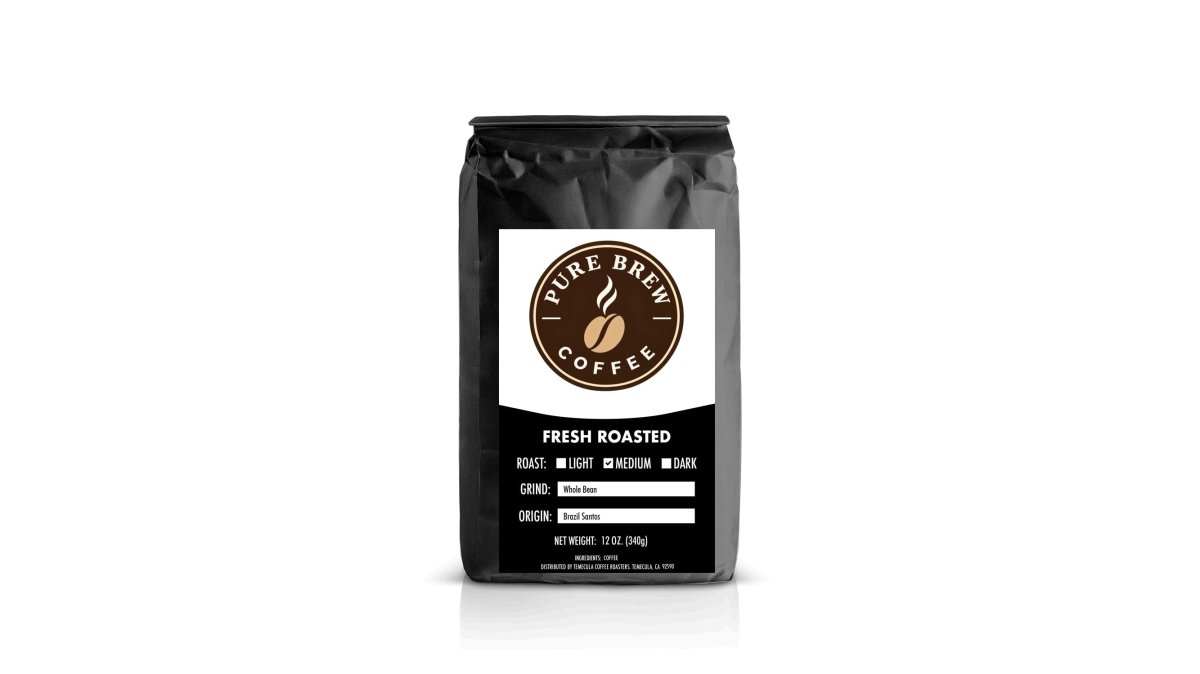
Pure Brew Coffee's medium roast beans, Brazil Santos, Colombia, Peru, and House Blend, are designed specifically for consistent daily brewing. Medium roast develops the beans' natural sweetness while preserving acidity that brings brightness to your cup. The roast level makes these beans forgiving across different brewing methods, water temperatures, and grind sizes.
Specialty Coffee Beans for Home Brewing: Choosing the Right Bean
Selecting affordable specialty coffee beans for home brewing means matching the bean's characteristics to your equipment and taste preferences. This is where most people overthink it. You don't need to memorize tasting notes, you need a simple framework.
Matching Beans to Your Brewing Method
Different brewing methods extract coffee differently. Pour-over and drip brewers highlight acidity and clarity. French press and espresso emphasize body and sweetness. Knowing your method helps you pick beans that will shine rather than disappoint.
Pour-over and drip brewing works best with beans that have clear, distinct flavor notes. Colombian and Peruvian single-origins excel here because their brightness and complexity come through in these methods.
French press and immersion brewing suits beans with heavier body and lower acidity. Brazil Santos performs exceptionally well here. The full-contact brewing method extracts oils and body that create a rich, smooth cup.
Espresso demands beans specifically roasted for the method. If you pull espresso shots, choose beans labeled for espresso or darker roasts. Medium roasts can work, but espresso machines extract so quickly that medium-roasted beans often taste sour.
Grind Size and Brew Ratio Adjustments
Once you've chosen your bean, grind size and brew ratio determine whether you extract sweetness or bitterness. These two factors matter more than most people realize.
Grind size controls extraction speed. Finer grinds slow water flow through the coffee, increasing extraction time. Coarser grinds speed up flow, decreasing extraction time. If your cup tastes bitter, your coffee extracted too long, try a coarser grind or hotter water.
Brew ratio is the weight of coffee to water. The standard starting point is 1:16 (one gram coffee to sixteen grams water), but specialty coffee often tastes better at 1:15 or even 1:14.
Coffee Bean Freshness and Storage: Protecting Quality After Purchase
Freshness determines whether your specialty coffee tastes like a premium product or a stale commodity. The roast date matters far more than the expiration date printed on bags.
Reading Roast Dates and Optimal Freshness Windows
Every bag of specialty coffee should display a roast date. This single piece of information tells you how fresh the beans are. Coffee reaches peak flavor 5-7 days after roasting, when CO2 has mostly escaped but the beans retain their volatile aromatic compounds. This window, days 5 through 21 after roasting, represents ideal brewing conditions.
Beans roasted less than 5 days ago still release excessive CO2, which interferes with water's ability to extract flavor. You'll notice sour notes and uneven extraction. Beans roasted more than 3-4 weeks ago begin losing aromatic compounds and taste flat.
Pure Brew Coffee includes the roast date on every bag specifically so you can verify freshness upon arrival. Check this date before brewing. If your beans arrived too recently, wait a few days. If they're older than three weeks, they're past their prime.
Storage Methods to Extend Freshness
Proper storage extends the freshness window by days or weeks. The enemies of coffee freshness are light, heat, oxygen, and moisture. Your storage strategy should minimize exposure to all four.
Store beans in an opaque, airtight container away from direct sunlight and heat. Ceramic or stainless steel containers work better than clear glass jars.
Whole beans stay fresh longer than ground coffee. Grinding increases surface area, accelerating oxidation. Grind immediately before brewing, not the night before. If you must grind ahead, use an airtight container and consume within 24 hours.
Once opened, specialty coffee stays at peak quality for 2-3 weeks in proper storage. This timeframe is why buying smaller bags makes sense for home brewers. A five-pound bag might be cheaper per pound, but beans deteriorate before you finish it.
Cost Per Cup: Making Specialty Coffee Affordable
The real measure of value isn't price per pound, it's cost per cup. This calculation reveals why affordable specialty coffee often delivers better value than budget commodity beans.
Most specialty coffee beans cost between $12 and $25 per pound. Pure Brew Coffee's single-origin options sit at $24.99, placing them in the accessible range. A pound of whole beans yields approximately 16 cups of coffee using standard brewing ratios.
Compare this to coffee shop pricing. A specialty single-origin pour-over costs $5-7 per cup. A drip coffee at a chain café costs $3-4. Even accounting for water, electricity, and equipment, home brewing at $1.50 per cup delivers exceptional value while maintaining quality.
The cost advantage grows when you factor in consistency. Café coffee varies by barista, equipment condition, and bean freshness. Home brewing with specialty beans you understand gives you control.
Sourcing and Ethical Practices: What Transparency Means
Specialty coffee's appeal extends beyond flavor to the story behind the bean. Ethical sourcing and transparency matter to discerning coffee drinkers, and they should matter to brands.
Transparency means knowing exactly where your beans come from. Not "Colombia" or "South America," but the specific farm, cooperative, or region. The altitude, processing method, and grower information help you understand why these beans taste a certain way.
Fair compensation for farmers ensures coffee production remains sustainable. When you pay more for specialty coffee, some of that premium should reach the people growing it. Look for brands that specify grower relationships, whether direct trade, fair trade, or cooperative partnerships.
Environmental practices matter equally. Coffee farming affects water systems, soil health, and forest preservation. Sustainable practices like shade-grown coffee, water conservation, and organic farming protect ecosystems while producing better beans.
Building Your Daily Brewing Routine
Specialty coffee becomes truly valuable when it becomes routine. The ritual of grinding fresh beans, measuring water, and brewing intentionally transforms coffee from fuel into a moment of care.
Start with one affordable specialty coffee bean and one brewing method. Master that combination before expanding. Learn your grinder's settings, understand your water temperature, and dial in your brew ratio.
Keep notes on what works. Write down grind size, water temperature, brew time, and how the cup tasted. This simple practice accelerates learning and prevents repeating mistakes. Over time, you'll develop preferences and adjustments that make your brewing uniquely yours.
Invest in equipment gradually. A quality burr grinder ($50-150) matters more than an expensive brewer. A simple kitchen scale ($15-30) matters more than fancy equipment. These fundamentals unlock specialty coffee's potential.
Specialty coffee at home doesn't require premium pricing or complicated equipment. Your morning cup will shift from routine to ritual, and you'll taste the difference immediately. Join our newsletter to get early access when we launch, and discover how exceptional coffee can redefine your daily routine.
Frequently Asked Questions
How can you tell if coffee beans are specialty grade?
Specialty coffee beans meet strict grading standards: they're scored 80 points or higher on a 100-point scale by certified tasters. Look for single-origin beans with a roast date printed on the bag (ideally within 2-4 weeks of purchase). Check the listing for altitude, variety, and processing method, these details signal quality. Specialty beans have distinct tasting notes like citrus, chocolate, or caramel rather than generic descriptions. Pure Brew Coffee's offerings, like the Colombia with its berry and chocolate profile, are sourced from specific growers and regions, which is a hallmark of specialty-grade beans.
Are specialty coffee beans worth the extra cost?
Yes, if you value flavor and freshness. Specialty beans cost more because they're carefully sourced, roasted in small batches, and fresher than commodity coffee. At $24.99 per pound, Pure Brew Coffee's specialty beans break down to roughly $1.50-$2.00 per cup depending on your brewing method and dose, which is competitive with specialty coffee shops while giving you control over extraction and flavor. The difference in taste is immediate: you'll notice cleaner, more complex flavors compared to mass-produced beans. For daily home brewers who invest in good equipment, specialty beans unlock the full potential of your grinder and brewing method.
What's the best roast level for everyday home brewing?
Medium roast is ideal for daily brewing. It balances acidity and body, works across multiple brewing methods (pour-over, drip, espresso), and highlights the origin characteristics of the bean. Light roasts emphasize brightness and origin flavors but require precise brewing technique; dark roasts offer bold, smoky profiles but can mask the bean's complexity. Pure Brew Coffee's medium roasts, Brazil Santos, Colombia, Peru, and House Blend, are specifically crafted for consistent, flavorful cups every day. Medium roast also forgives minor brewing mistakes, making it forgiving for routine morning brewing.
How should you store coffee beans to keep them fresh?
Store whole beans in an airtight container away from light, heat, and moisture. A sealed glass jar in a cool, dark cupboard works well; avoid the freezer unless you're storing beans for several months. Once you open a bag, transfer remaining beans to an airtight container and use within 2-3 weeks of the roast date for peak freshness. Ground coffee stales faster than whole beans, so grind just before brewing. Check the roast date on Pure Brew Coffee bags, beans are freshest within 2-4 weeks of roasting, so buy in quantities you'll use within that window rather than stocking up.