

Table of Contents
- What Single-Origin Coffee Means
- Single-Origin Coffee vs. Blend: The Core Difference
- How Origin, Terroir, and Growing Conditions Shape Flavor
- Understanding Single-Origin Coffee Flavor Notes
- Processing Methods and Roast Level: The Hidden Variables
- Single-Origin Coffee Brewing Tips for Maximum Flavor
- Best Single-Origin Coffee for Beginners
- Traceability, Consistency, and Seasonality
- Frequently Asked Questions
Last Updated: October 20, 2026
What Single-Origin Coffee Means
Single-origin coffee refers to beans sourced from a specific geographic region, farm, or even a distinct lot within a single harvest. Unlike blended coffees that combine beans from multiple origins, single-origin coffee preserves the unique characteristics imparted by that particular place.
This transparency matters. When you buy single-origin coffee, you're investing in specificity. The grower's name, the farm's location, the elevation where those beans grew, these details aren't marketing flourishes. They're the foundation of what makes the coffee taste the way it does. At Pure Brew Coffee, we've built our entire approach around this principle: understanding origin is understanding flavor.

The term "single-origin" can refer to different scales. Some coffees come from an entire country like Ethiopia or Colombia. Others are narrowed down to a specific region within that country, say, the Sidama zone in Ethiopia or Antioquia in Colombia. The most precise single-origin coffees come from individual farms or microlots, which are small harvests from specific plots on a farm.
Single-Origin Coffee vs. Blend: The Core Difference
A blend combines beans from two or more origins, creating a balanced, consistent cup designed by the roaster. Single-origin coffee offers complexity and authenticity because it's unfiltered by blending logic. The roaster isn't smoothing out regional characteristics to hit a target flavor profile, they're highlighting them.
The practical difference comes down to consistency versus character. Blends are engineered for reliability. A coffee company can maintain the same flavor profile year-round by adjusting the ratio of origins in response to crop variations. A single-origin coffee, by contrast, will shift subtly from harvest to harvest.
For the home brewer investing in quality equipment and beans, single-origin coffee rewards attention. A good blend is forgiving; it's designed to taste good regardless of brewing variables. A single-origin coffee demands precision.
Blends excel at specific use cases. If you're brewing espresso and want a consistent crema and body, a well-designed blend is often the smarter choice. If you're exploring pour-over or French press and want to taste the terroir, the environmental signature of a place, single-origin is where the complexity lives.
| Characteristic | Single-Origin | Blend |
|---|---|---|
| Flavor Profile | Distinct, region-specific | Balanced, consistent |
| Seasonal Variation | Expected and natural | Minimized by design |
| Traceability | High (farm, elevation, process known) | Lower (multiple origins combined) |
| Brewing Forgiving | Requires precision | More forgiving of variables |
| Price Point | Generally higher | Mid to premium range |
| Best For | Exploration and appreciation | Everyday reliability |
How Origin, Terroir, and Growing Conditions Shape Flavor
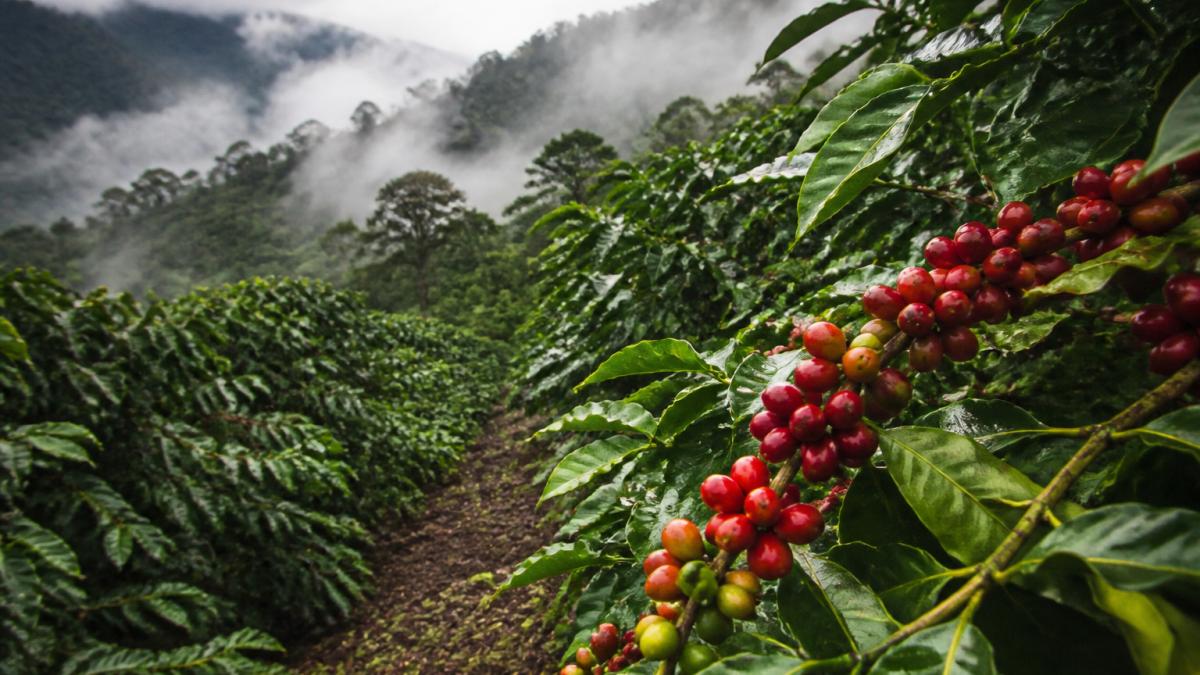
The distinct character of single-origin coffee comes down to terroir, a term borrowed from wine that describes how a place's environmental factors influence what grows there. Coffee terroir encompasses altitude, soil composition, climate patterns, rainfall, and even the angle of sunlight. These variables don't just affect whether coffee grows; they fundamentally shape the chemical composition of the bean, which directly determines flavor.
Altitude, Soil, and Climate
Altitude is one of the most significant factors in coffee flavor. Higher elevations mean cooler temperatures and slower bean maturation. This extended growing season allows the bean to develop more complex sugars and acids, which translate to brighter, more nuanced flavors. Ethiopian coffees grown at 1700-1900 meters produce distinctly different flavor chemistry than coffees grown at 750 meters in Brazil.
Soil type matters equally. Volcanic loam, rich in minerals and excellent drainage, is prized in coffee-growing regions from Colombia to Costa Rica. The minerals the roots access directly influence the bean's flavor compounds. A coffee grown in volcanic soil typically expresses more clarity and brightness than one grown in clay-heavy soil, which tends to produce fuller body and earthier notes.
Climate patterns, particularly rainfall distribution and dry seasons, affect how the coffee cherry develops. Regions with distinct wet and dry seasons produce different flavor profiles than areas with more consistent moisture. The timing of the rainy season, the intensity of the dry season, and even unexpected weather events during harvest can shift the final cup profile by several percentage points.
Botanical Variety and Harvest Timing
Not all coffee plants are the same. Different botanical varieties, Arabica cultivars like Caturra, Bourbon, Typica, and Castillo, express distinct flavor characteristics. A Caturra variety tends toward bright acidity and floral notes. Bourbon cultivars often produce fuller body with chocolate undertones. Indigenous heirloom varieties from Ethiopia, grown for centuries in their native environment, express fruity and tea-like qualities you won't find in modern cultivars.
Harvest timing compounds these differences. Coffee cherries ripen unevenly across a farm. Selective hand-picking captures only the ripest cherries, preserving sweetness and complexity. Machine harvesting, which collects everything at once, mixes ripe and underripe fruit, diluting the final cup's clarity. This is why single-origin coffees from farms using selective picking tend to taste more refined, the flavor isn't muddied by unripe fruit.
Understanding Single-Origin Coffee Flavor Notes
When tasters describe single-origin coffee as tasting of "dried orange" or "milk chocolate," they're identifying specific flavor compounds created by the coffee's origin and processing. These aren't added flavors; they're naturally occurring compounds that emerge through the combination of terroir, variety, and processing method.
Common flavor descriptors map to real chemistry. Fruity notes come from organic acids and fermentation byproducts. Chocolatey or cocoa notes develop from certain sugar compounds and roasting reactions. Floral notes indicate the presence of volatile aromatic compounds that thrive in specific growing conditions.
The key to appreciating these notes is understanding that they're not metaphorical. The coffee doesn't taste like orange because someone decided it should; it tastes like orange because the beans contain linalool and other compounds also found in citrus. This is why single-origin coffee offers such complexity to trained palates; the flavor complexity is real, measurable, and directly traceable to where and how the coffee grew.
Processing Methods and Roast Level: The Hidden Variables
Two coffees from the same farm, same altitude, same variety, but processed differently, will taste noticeably different. Processing method is where the farmer's skill directly influences final flavor, and it's often overlooked by coffee drinkers focused only on origin.
The three primary processing methods are washed, natural, and honey process. Washed process coffees are fermented briefly, then the fruit is removed before drying. This method emphasizes clean, bright flavors and highlights the bean's inherent acidity. Natural process coffees are dried with the fruit still attached, allowing extended fermentation.
Single Origin Favorites Sample Pack →
Roast level interacts with both origin and processing. A light roast on an Ethiopian natural process coffee emphasizes the fruity notes that fermentation created. A medium roast balances those fruits with subtle chocolate notes. A dark roast can mute the origin's delicate characteristics entirely, pushing the coffee toward generic dark-roast flavors.
Understanding this interaction explains why the same coffee can taste dramatically different depending on roast level. It also explains why some single-origin coffees seem underwhelming, they may have been roasted too dark, obscuring the terroir that makes them special.
Single-Origin Coffee Brewing Tips for Maximum Flavor
Brewing single-origin coffee allows you to fully appreciate its characteristics when you match your technique to the coffee's profile. A bright, acidic Ethiopian natural process demands different water temperature and brew time than a full-bodied Brazilian natural process.
Start with water temperature. Coffees with delicate, fruity notes benefit from slightly cooler water, around 195-200°F rather than the standard 205°F. This prevents over-extraction of bitter compounds that can mask fruit notes. Fuller-bodied coffees tolerate hotter water; it extracts more of the coffee's body and sweetness without creating harsh bitterness.
Grind size matters more with single-origin coffee because the flavor profile is more pronounced. A too-fine grind over-extracts, creating astringency that obscures the coffee's character. A too-coarse grind under-extracts, leaving the cup thin and sour.
Brew time should match your method and grind. Pour-over typically runs 3-4 minutes. French press, 4 minutes. Espresso, 25-30 seconds. These aren't rigid rules; they're starting points. Taste your brew and adjust. If it's sour, either use a finer grind, hotter water, or longer brew time.
Best Single-Origin Coffee for Beginners
If you're new to single-origin coffee, start with coffees that express clear, approachable flavors. Brazilian natural process coffees are an excellent entry point, they're typically smooth, full-bodied, and express straightforward chocolate and caramel notes. Colombian coffees offer a middle ground: more complexity than Brazil, but still balanced and forgiving.
Ethiopian coffees are more challenging for beginners because their fruity, floral character is pronounced and unfamiliar to palates accustomed to blends. But if you're willing to explore, Ethiopian natural process coffees will expand your appreciation for what coffee can taste like.
Pure Brew Coffee's Single Origin Favorites Sample Pack ($24.99) includes six 2-ounce samples covering this range. The Brazil Santos offers the approachable chocolate and smoothness beginners expect. The Colombia provides balanced complexity. The Ethiopia Natural introduces fruity and floral notes.
Brewing method matters for beginners too. Pour-over and Aeropress are more forgiving than espresso because they give you more control over variables. French press works, but requires more attention to grind consistency.
Traceability, Consistency, and Seasonality
One advantage of single-origin coffee is traceability. You know where the beans came from, often down to the farm. This transparency serves two purposes: it lets you verify ethical sourcing practices, and it explains why the coffee tastes the way it does.
Consistency, however, is where single-origin coffee differs from blends. A coffee from the same farm will vary slightly from harvest to harvest. The 2026 crop might be slightly fruitier than 2025 because of different rainfall patterns. This isn't a quality problem; it's a reflection of reality. Blends smooth out these variations. Single-origin coffee embraces them.
Seasonality is real. Coffee is a crop, and crops have seasons. The Ethiopian harvest runs roughly September through December. Colombian harvest is year-round but peaks in certain months. When you're buying single-origin coffee in March, you might be drinking beans from last year's harvest that have been in storage.
Single-origin coffee connects you directly to place, process, and people. Explore the Colombia ($24.99) or Costa Rica ($24.99) offerings to experience how origin shapes flavor, and join our community of enthusiasts discovering what exceptional coffee actually tastes like.


Frequently Asked Questions
Does single-origin coffee taste objectively better than blends?
Single-origin coffee doesn't taste objectively better, it tastes different. Blends are engineered for consistency and balance; single-origin coffees express the distinct character of their region, altitude, soil, and processing method. A well-made blend offers reliability and approachable flavor, while single-origin coffee rewards exploration. The choice depends on what you value: complexity and discovery, or familiar comfort. Many coffee drinkers enjoy both.
What are the main flavor notes in single-origin coffee?
Single-origin coffee flavor notes depend on origin and processing. Ethiopian natural-process beans often show milk chocolate, fruity, and caramel notes. Colombian coffees typically deliver dried orange, berry, and chocolate. Costa Rican coffees tend toward sweet apple, raisin, and honey. These profiles emerge from the region's altitude (typically 1,300-1,900 meters), volcanic soil, botanical variety, and whether the beans are washed, natural, or honey-processed. Tasting these differences is part of the appeal.
How should I brew single-origin coffee to taste its best?
Brew single-origin coffee at 195-205°F with a grind matched to your method: coarse for French press, medium for drip, fine for espresso. Use a 1:16 coffee-to-water ratio as a starting point, then adjust to taste. Brew time matters: 4 minutes for French press, 5-6 minutes for pour-over. Single-origin beans are delicate; avoid over-extraction (which brings out bitterness) and under-extraction (which tastes sour). Experiment with brew time and water temperature to highlight the origin's natural flavors.
Is single-origin coffee worth the price compared to blends?
Single-origin coffee costs more because it comes from a specific farm or region, requires traceability, and offers unique flavor complexity. A sample pack like Pure Brew's Single Origin Favorites at $24.99 for six 2-ounce packs ($4.17 per ounce) lets you explore without committing to full bags. If you own a quality grinder and brewing equipment, single-origin beans reward that investment by revealing what your technique can achieve. For casual drinkers, a reliable blend may offer better value; for enthusiasts, single-origin exploration justifies the premium.