

Table of Contents
- Check the Roast Date First
- Visual Inspection: What to Look For in the Beans
- The Difference Between Single Origin and Blend Coffee
- Understand Specialty Coffee Grading Standards
- Test Aroma and Perform Basic Sensory Evaluation
- Verify Origin Transparency and Ethical Sourcing
- Storage and Freshness: Protecting Your Investment
- Frequently Asked Questions
Last Updated: September 28, 2026
Check the Roast Date First
The roast date is your first clue about quality. Coffee begins losing freshness immediately after roasting, so the roast date tells you how fresh the beans actually are.
Look for bags that clearly print the roast date. If you see only a "best by" date, move on, the roaster either hides information or doesn't track it carefully.
Coffee roasted within the last two weeks delivers vibrant flavor. After four weeks, complexity fades. By eight weeks, the beans are stale regardless of origin.
Pure Brew Coffee prints every roast date clearly on the bag.
Check the date before you buy. If it's older than four weeks from today, the beans have already begun their decline.
Visual Inspection: What to Look For in the Beans
Once you've verified the roast date, examine the beans. High quality coffee beans show consistent color and uniform size, revealing how carefully they were processed and roasted.
Color and Uniformity
Single origin beans should look similar in color. Avoid a wild mix of light and dark beans, which signals uneven roasting or poor selection.
Hold the bag to light and scan the beans. Uniformity signals precise temperature and timing control. Inconsistent color creates muddy, unbalanced flavor.
Single origin beans should look more uniform than blends. Within each origin, consistency marks quality.
Oiliness and Surface Appearance
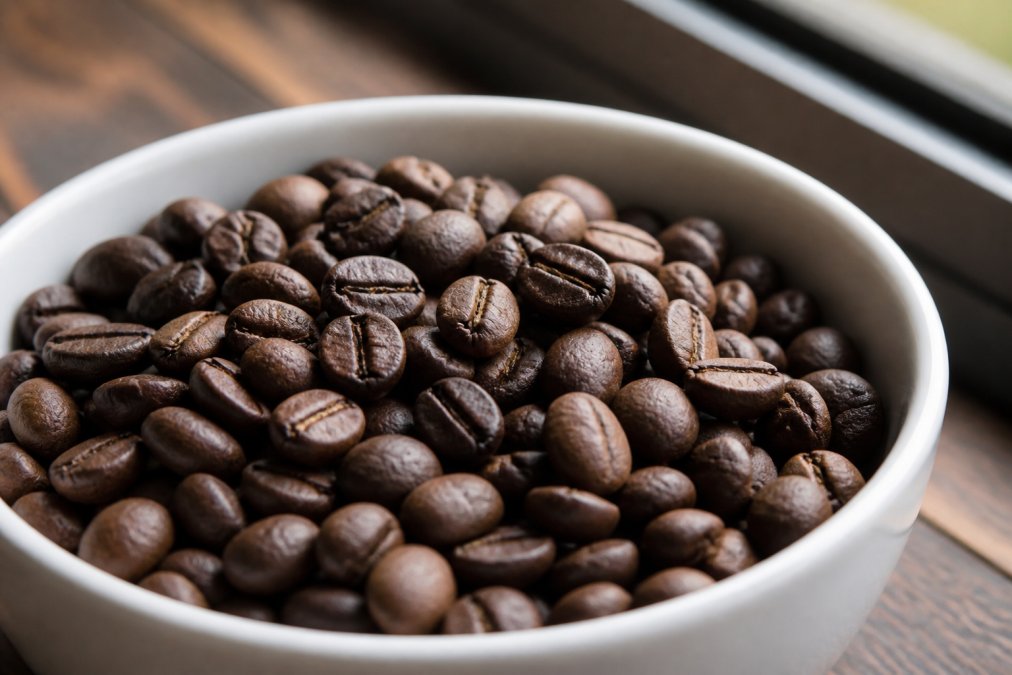
Light roasts appear matte, medium roasts show slight oiliness, and dark roasts look glossy, all natural results of roasting time. What matters is consistency: all beans should show similar oiliness. If some are dull and others shiny, the roast was uneven.
High quality beans feel smooth, not chalky or dusty. Excessive dust suggests poor handling or storage.
Defects and Bean Density
Look for defects: broken beans, chips, or fragments indicate careless processing. A few small defects are normal; a bag full is not. High quality coffee beans have minimal visible damage.
Denser beans usually come from higher altitude farms, where slower growth creates more compact, complex-tasting beans.
The Difference Between Single Origin and Blend Coffee
Single origin coffee comes from one farm, region, or country and lets you taste the specific terroir, soil, climate, altitude. Blends mix multiple origins to create a balanced, consistent flavor profile, prioritizing consistency over origin expression.
Single origin offers clearer quality signals: you can research the farm, altitude, and processing method. Blends obscure this information.
Pure Brew Coffee focuses on single origin beans because transparency matters. Our Brazil Santos comes from Fazenda Santa Barbara at 750-1050 M altitude, processed using the pulped natural and dried in the Sun method. Our Colombia comes from smallholder farmers from Medellin at 1300-1500 M altitude, processed fully washed and dried in solar dryers to protect the coffee from rain.

If you're learning to identify quality, start with single origin. The origin story makes it easier to understand what you're tasting.
Understand Specialty Coffee Grading Standards
The Specialty Coffee Association grades coffee on a 100-point scale. Specialty grade (80+) is the top tier with minimal defects, excellent flavor, and clear origin character. Commercial grade (below 80) has more defects, less complexity, and less distinct flavor. The difference is noticeable when brewed side by side.
The grading process evaluates defects, color uniformity, aroma, acidity, body, flavor profile, and aftertaste. A score of 85 indicates better balance and complexity than 81.
Look for roasters who publish cupping scores or grade information. If a roaster doesn't mention specialty grading, ask. High quality coffee beans come with this information because it's a mark of pride.
Test Aroma and Perform Basic Sensory Evaluation
Aroma and taste testing separate high quality beans from mediocre ones faster than visual inspection. You can adapt professional cupping at home to train your palate.
The Aroma Test: What to Notice
Open a fresh bag and smell deeply. High quality coffee has rich, multi-layered aroma with distinct notes: chocolate, caramel, fruit, nuts, flowers, spice, or earth. The key is clarity, each note should be recognizable, not muddled.
Stale coffee smells flat, dull, or musty. Fresh beans burst with smell because CO2 and aromatic compounds actively degas. A vibrant, inviting smell signals freshness.
Different origins have consistent aromatic signatures: Ethiopian naturals smell fruity and floral, Brazilian naturals nutty and chocolatey, Sumatras earthy and herbal. If a bag labeled "Ethiopia" smells like chocolate instead of fruit, the origin information is likely wrong.
Home Cupping Protocol: The Five-Minute Sensory Test
You can perform a simplified cupping at home to assess quality and train your palate.
Setup: Grind 10-15 grams coarsely, use an 8-12 oz cup, heat water to 195-205°F, and have a spoon ready.
The Test (5 minutes total):
-
Bloom phase (0-30 seconds): Pour hot water over grounds and immediately smell the aroma. High quality beans release clean, inviting aroma. Lower quality beans smell flat, musty, or one-dimensional.
-
Steeping (30 seconds to 4 minutes): Let the coffee sit undisturbed. The grounds will form a "crust" on top as they absorb water and sink.
-
Breaking the crust (4 minutes): Stir gently and smell again. High quality beans show complexity, multiple flavor layers emerging.
-
Cooling and tasting (4-5 minutes onward): Let the coffee cool for 1-2 minutes. Slurp loudly from the spoon, drawing air through your mouth as you taste. This aeration spreads the coffee across your entire palate, not just your tongue. You'll taste more nuance this way.
What to evaluate: Clarity (clean vs. muddy), balance (harmonious vs. harsh), body (full vs. thin), aftertaste (pleasant vs. bitter), and defects (sourness, mustiness, staleness, harshness). High quality beans taste clean, balanced, and pleasant.
Repeat this test with different origins. Over time, you'll develop a reference library in your palate.
Training Your Palate: Building a Reference Framework
Start by cupping beans from different origins side by side: Ethiopian (bright, fruity), Brazilian (smooth, chocolatey), and Sumatran (earthy, full). These comparisons train your palate faster than tasting one origin alone.
Verify Origin Transparency and Ethical Sourcing
Where beans come from and how they're handled directly impacts quality. High quality coffee beans come with a complete story: farm, altitude, processing method, and evidence of fair farmer compensation.
Origin Information: What to Demand
Look for roasters who provide: country and region (not "Central America" or "African blend"), farm or cooperative name, altitude (1200+ meters indicates higher complexity), processing method (natural, washed, honey, pulped natural), and harvest date.
Packaging Technology: Quality Markers You Can See
One-way degassing valves: These allow CO2 to escape without letting oxygen in. A visible valve signals the roaster sealed beans quickly after roasting, preserving freshness. Bags without valves are either very old or sealed long after roasting.
Ethical Sourcing and Certification: What Signals Farm-Level Care
Direct trade relationships: Roasters working directly with farms cut out middlemen and ensure higher farmer prices. Published pricing signals ethical commitment.
Ask Questions
Good roasters love talking about their beans. Contact them and ask:
- "What altitude is this coffee grown at?"
- "Can you tell me about the farm or cooperative?"
- "What processing method was used?"
- "Are the farmers paid fairly? Do you have direct trade relationships?"
- "What certifications does this coffee hold?"
Storage and Freshness: Protecting Your Investment
You've identified high quality coffee beans. Now protect them.
Coffee degrades through oxidation and moisture exposure. Store beans in an airtight container away from light, heat, and humidity. A sealed bag with a one-way valve works well. Airtight containers work better.
Frequently Asked Questions
How do I read a coffee roast date and know if beans are fresh?
The roast date is printed on the bag and indicates when the beans were roasted. High quality coffee beans are best consumed within 2-4 weeks of the roast date. Check for a clearly visible roast date on the packaging, if it's missing or obscured, that's a red flag. Beans roasted more than 6-8 weeks ago will have lost significant aroma and flavor complexity, even if stored properly. The roast date matters more than an expiration date because freshness directly affects extraction and taste.
What's the difference between single origin and blend coffee?
Single origin beans come from one specific geographic region, farm, or cooperative, allowing you to taste the unique characteristics of that terroir. Blends combine beans from multiple origins to achieve a balanced flavor profile. Single origin coffees typically cost more because they offer traceability and distinct flavor notes tied to altitude, soil, and processing method. Blends are often more consistent but sacrifice the complexity that comes from knowing exactly where your beans came from. For identifying quality, single origin beans let you verify sourcing transparency more easily.
What do specialty coffee grading standards mean?
Specialty coffee grading standards evaluate beans on defects, size, density, and cupping score. The Specialty Coffee Association grades green beans on a 100-point scale; anything scoring 80+ is considered specialty grade. Grading also counts visible defects like quakers (underripe beans), broken pieces, and foreign material. Higher density beans indicate better growing conditions and extraction potential. When shopping, look for bags that mention grading scores or SCA certification, this transparency indicates the roaster sources from quality-conscious producers and understands what makes beans valuable.
How can I test coffee bean quality at home before brewing?
Start with the aroma test: open the bag and smell the beans deeply. High quality coffee has a complex, inviting aroma with distinct notes. Then perform a simple visual inspection for uniform color and size, checking for defects or excessive oiliness. For a basic sensory evaluation, grind a small amount and smell the grounds immediately, quality beans release vibrant, multi-layered aromas. Finally, brew a small cup and taste for clarity, body, and balanced acidity. These sensory tests reveal whether the beans have the complexity and freshness that justify premium pricing.