

Table of Contents
- 1. Higher Antioxidant and Polyphenol Content
- 2. Enhanced Brain Function, Memory, and Concentration
- 3. Improved Energy and Alertness
- 4. Better Metabolism and Weight Management Support
- 5. Reduced Type 2 Diabetes Risk
- 6. Cardiovascular Health Benefits
- 7. Superior Flavor and Aroma from Fresh Roast Date
- How Long After Roasting to Brew Coffee
- Frequently Asked Questions
Last Updated: October 13, 2026
1. Higher Antioxidant and Polyphenol Content
Freshly roasted coffee contains significantly higher levels of antioxidants and polyphenols than older beans. These compounds begin degrading the moment roasting stops, so the fresher your coffee, the more protective compounds remain in your cup.
Polyphenols are natural chemicals in coffee that help neutralize harmful molecules in your body.
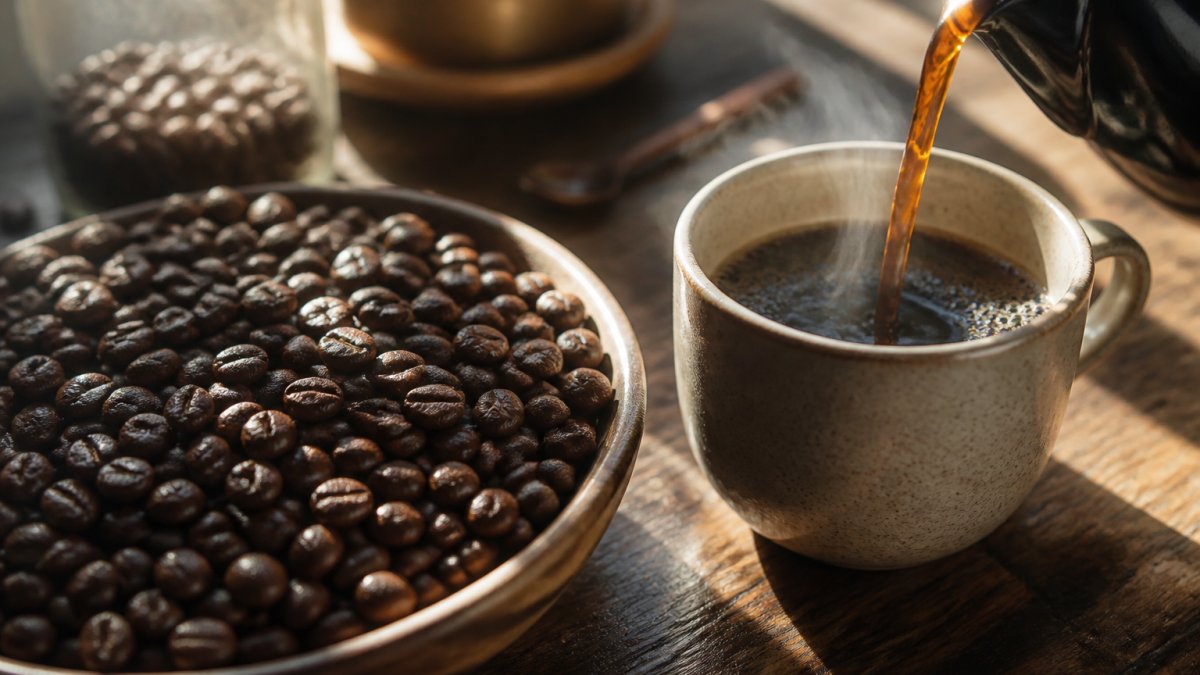
The difference is visible: freshly roasted beans have an oily sheen and release rich aromatics when ground, while older beans look dull and smell flat. At Pure Brew Coffee, we emphasize freshness because it directly determines the antioxidant value in each brew.
Look for bags labeled with a roast date within the past two weeks. Beyond that window, you're drinking a product that's lost measurable nutritional potency, which is why specialty roasters treat freshness as a core quality marker.
2. Enhanced Brain Function, Memory, and Concentration
Caffeine works fastest in freshly roasted coffee because the compound remains stable and bioavailable, so your brain absorbs it more efficiently for sharper focus and faster processing.
Fresh coffee also delivers chlorogenic acid and other bioactive compounds that support cognitive function. These degrade over time, so older coffee delivers less cognitive benefit even if it tastes acceptable.
Caffeine blocks adenosine, a neurotransmitter that signals fatigue, and this mechanism works more efficiently with freshly roasted coffee. Expect sharper clarity within 15-20 minutes, sustained morning focus, and fewer afternoon crashes.
Regular drinkers often report noticeably better focus after switching to freshly roasted beans, since the brain receives a more potent dose of the compounds that drive alertness. Many professionals cite this as their main reason for buying single-origin beans.
3. Improved Energy and Alertness
Freshly roasted coffee delivers a cleaner, more sustained energy boost than stale beans. Caffeine stays chemically stable for about two weeks after roasting, then degrades, so older coffee requires more cups for the same alertness.
The energy from fresh coffee comes from caffeine plus a synergy of other compounds. Trigonelline, a natural chemical that contributes to alertness, also degrades over time, so a fresh roast delivers the full spectrum of energy-producing molecules in their most active form.
Alertness kicks in faster with fresh beans because your body absorbs the compounds more readily: typically 10-15 minutes versus 20-30 minutes with older beans. That matters when you're relying on coffee to jumpstart your morning or beat an afternoon slump.
The quality of energy differs too. Fresh coffee produces steady alertness without the jitters of old coffee, because you get a balanced profile of caffeine and other compounds rather than a degraded mixture. Enthusiasts call the energy from fresh roasts "clean" versus the "harsh" feeling of older beans.
4. Better Metabolism and Weight Management Support
Coffee supports metabolic function, and freshly roasted coffee does so more effectively. The chlorogenic acid in fresh beans helps your body process glucose more efficiently and may support healthy weight management alongside exercise and proper nutrition.
Chlorogenic acid degrades rapidly after roasting, losing much of its bioactive potential within three weeks. A fresh roast therefore delivers substantially more metabolic support than coffee that's sat for months, making freshness critical if you drink coffee for metabolic benefits.
Your body can only use coffee's metabolism-supporting compounds if their chemical integrity is intact. Fresh roasts preserve them in their most effective form; older coffee still contains some chlorogenic acid, but in significantly reduced quantities, and the difference compounds for daily drinkers.
Weight management isn't about coffee alone, but how it fits your overall routine. Freshly roasted coffee supports that goal more effectively because you get the bean's full nutritional profile; stale coffee still has caffeine, but loses many supporting compounds.
5. Reduced Type 2 Diabetes Risk
Coffee consumption is consistently associated with lower risk of type 2 diabetes in large observational studies, but the strength of that association is often overstated online.
What the research actually shows is a dose-response pattern. People who drink more coffee tend to have lower rates of type 2 diabetes, and the association appears in both caffeinated and decaffeinated coffee, which suggests caffeine is not the primary driver.
Here is where freshness enters the picture, and where most articles get sloppy. Chlorogenic acid does degrade over time after roasting, and it degrades faster in ground coffee than in whole beans because of increased surface area and oxygen exposure.
A defensible position: if you already drink coffee daily, choosing fresh whole beans and grinding just before brewing preserves more of the compounds that researchers associate with glucose metabolism. That is a reasonable quality choice.
If you are managing blood sugar, the more useful variables are what you put in the coffee and when you drink it. Unsweetened coffee fits most eating patterns; coffee drinks with added sugar and syrups work against the goal. Some people find that drinking coffee on an empty stomach affects their appetite or blood sugar response, while others notice nothing. Individual response varies, and monitoring your own numbers is more informative than any general claim.
Type 2 diabetes risk factors and prevention guidance
For a practical takeaway: treat the diabetes association as a reason coffee is a reasonable daily habit, not as a reason to chase freshness for metabolic protection. Buy fresh beans because they taste better and preserve more of the compounds researchers study.
6. Cardiovascular Health Benefits
Coffee and heart health have a complicated relationship that most listicles flatten into a single positive claim. The current picture from large observational studies is that moderate coffee consumption, generally defined as three to five cups per day, is associated with lower risk of heart failure, stroke, and cardiovascular death in many populations.
Two compounds drive most of the cardiovascular discussion. Chlorogenic acid and other polyphenols are associated with improved endothelial function, which is the ability of blood vessels to dilate and regulate blood flow.
Now the freshness question. Polyphenols do degrade after roasting, and they degrade faster in ground coffee exposed to air. So a fresh whole bean, ground just before brewing, delivers more of the compounds associated with vascular benefit. That is a real difference in what is in the cup.
Caffeine is the variable most people should think about first. For most healthy adults, up to about 400 milligrams of caffeine per day is considered safe by the Food and Drug Administration (the FDA).
A practical routine that aligns with the evidence: choose fresh whole beans, grind just before brewing, use a paper filter if you drink multiple cups daily, keep added sugar and cream to a minimum, and stay within a caffeine amount that feels right for your body. That combination supports the compounds researchers associate with cardiovascular benefit while avoiding the variables that work against it.
Spilling the Beans: How Much Caffeine Is Too Much
7. Superior Flavor and Aroma from Fresh Roast Date
Freshly roasted coffee tastes dramatically better than stale beans, and the sensory superiority reflects real chemistry. The moment a bean cools after roasting, volatile aromatic compounds begin escaping, and within days the coffee loses much of its complexity and depth.
Flavor comes from hundreds of aromatic compounds created during roasting, and these are fragile. Coffee roasted last week tastes bright, complex, and nuanced; the same coffee roasted six weeks ago tastes flat and one-dimensional.
Aroma is the most immediate freshness indicator. Fresh coffee releases a rich, inviting smell when you open the bag or grind; stale coffee smells dull and papery. Your nose detects the loss of volatile compounds before you even taste the coffee.
The sensory experience reflects the coffee's actual quality and potency. When you invest in premium single-origin beans, you're paying for the complexity freshness preserves. At Pure Brew Coffee, we emphasize roast date because flavor and quality go hand in hand.
Roast levels shape flavor: light roasts preserve more origin character and acidity, medium roasts balance origin and roasted notes, and dark roasts emphasize body and chocolate.
How Long After Roasting to Brew Coffee
The ideal window for brewing freshly roasted coffee is 5-14 days after the roast date, which lets CO2 escape while preserving the most aromatic and bioactive compounds.
Immediately after roasting, beans release CO2 that interferes with water saturation and causes uneven extraction. Waiting 5 days lets most excess CO2 dissipate while beneficial compounds remain intact, which is why specialty roasters recommend a brief rest before brewing.
At 14 days, noticeable degradation begins affecting flavor and potency. Coffee is still drinkable beyond that, but you lose measurable quality: by day 30 the loss is dramatic, and by day 60 you're drinking a substantially diminished product.
Whole beans preserve freshness far longer than ground coffee. Grinding exponentially increases surface area and accelerates oxidation, so grind immediately before brewing; ground coffee begins noticeably degrading within hours.
Storage conditions dramatically affect freshness loss. An airtight container at room temperature keeps beans fresh longer than exposure to light, heat, or air.
| Timeframe | Freshness Level | Flavor Quality | Bioactive Compounds |
|---|---|---|---|
| 0-4 days after roast | Peak degassing | Good but improving | Excellent |
| 5-14 days after roast | Optimal window | Excellent | Excellent |
| 15-30 days after roast | Still good | Good | Good |
| 31-60 days after roast | Declining | Fair | Declining |
| 60+ days after roast | Stale | Poor | Significantly reduced |
The benefits of freshly roasted coffee extend far beyond taste. Every cup delivers more antioxidants, brain-supporting compounds, and cardiovascular benefits when the beans are fresh.
Pure Brew Coffee delivers single-origin beans roasted to order, with a roast date clearly marked on every bag. Our Ethiopia Natural, Brazil Santos, Tanzania, and Bali Blue selections offer distinct flavor profiles while maintaining the freshness that makes coffee genuinely beneficial. Explore our collection of freshly roasted coffees and experience the difference that freshness makes.

Frequently Asked Questions
What are the benefits of drinking freshly roasted coffee?
Freshly roasted coffee delivers higher concentrations of antioxidants and polyphenols, plant compounds that protect cells from damage. Fresh beans also produce superior flavor and aroma because volatile compounds that create taste are still present.
How long after roasting should you drink coffee for maximum benefits?
The ideal window is 5 to 30 days after the roast date. Coffee needs 24-48 hours to degas before brewing, but antioxidants and flavor compounds remain highest during the first two to three weeks. After 30 days, polyphenol content declines noticeably. Check your bag's roast date, reputable roasters like Pure Brew Coffee print it clearly. Store in an airtight container away from light and heat to preserve freshness throughout this window.
Is freshly roasted coffee healthier than older coffee?
Yes. Freshly roasted coffee contains significantly more antioxidants and polyphenols than coffee roasted weeks or months ago. These plant compounds degrade over time, especially when exposed to air, light, or heat. Older coffee still contains caffeine and provides some health benefits, but the protective compounds decline rapidly. Single-origin options like Ethiopia Natural and Brazil Santos offer superior flavor and aroma when brewed within two to three weeks of their roast date.
How should you store freshly roasted coffee beans to keep them fresh?
Store whole beans in an airtight container at room temperature, away from direct sunlight, heat, and moisture. Avoid the freezer, temperature fluctuations cause condensation that degrades flavor and antioxidants. Keep beans away from the stove and windows. Grind only what you need immediately before brewing. Whole beans stay fresher longer than ground coffee because grinding exposes more surface area to air, accelerating oxidation. A sealed bag with a one-way valve works well for the first week; transfer to a glass or ceramic airtight container for longer storage.
How much coffee is safe to drink each day?
Most adults can safely consume 400 milligrams of caffeine daily, roughly 4 cups of brewed coffee. Individual tolerance varies based on body weight, metabolism, and sensitivity. Pregnant individuals should limit intake to 200 milligrams per day. Listen to your body; if you experience jitteriness, sleep disruption, or anxiety, reduce your serving size.